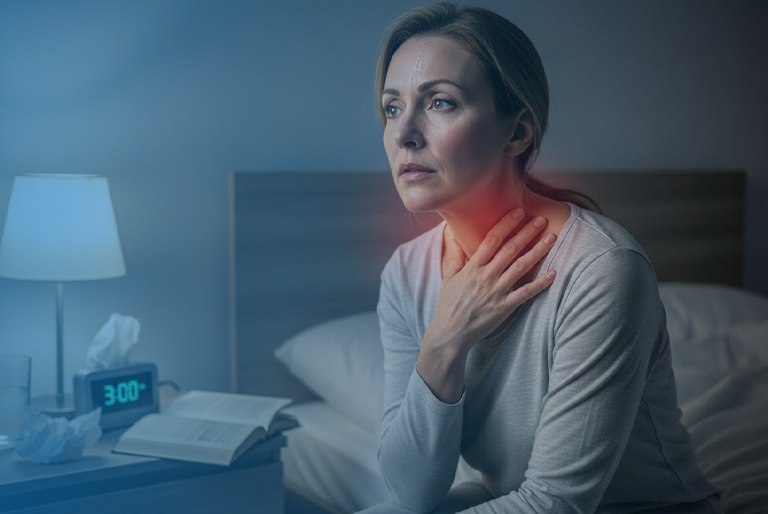
Perimenopause isn’t often talked about openly, yet almost every woman will go through it. It’s the bridge between your reproductive years and menopause. While it’s natural, that doesn’t make it easy. The symptoms can sometimes feel overwhelming, unpredictable, and even frightening if you don’t know what’s happening inside your body. That’s why understanding what’s “normal” and when to seek medical help matters so much.
Let’s talk about what perimenopause feels like, how your body changes, and the moments when reaching out to a healthcare professional is the right step.
Understanding Perimenopause
Perimenopause is the transitional phase leading up to menopause. It usually starts in your late 30s or 40s, but every woman is different. During this period, your ovaries gradually slow hormone production, especially estrogen and progesterone. Because these hormones regulate so many functions, the shifts can impact everything from your menstrual cycle to emotions and sleep.
The Transition Toward Menopause
Perimenopause doesn’t mean fertility instantly disappears. Ovulation becomes irregular, and cycles become unpredictable, but pregnancy can still occur in early stages. Menopause officially begins when you haven’t had a period for 12 consecutive months.
How Hormones Shift During This Phase
Hormones don’t decline slowly in a straight line. They fluctuate. One month you may feel fine, the next month everything feels different. This inconsistency is why symptoms can appear, disappear, and return.
Early Signs of Perimenopause
Changes in Menstrual Patterns
Your period may be the first sign something is shifting. You may notice:
- Heavier or lighter bleeding
- Longer or shorter cycles
- Skipped periods
Irregularity is common, but extremely heavy bleeding is not something to ignore.
Subtle Physical and Emotional Shifts
You may also notice fatigue, irritability, new sensitivities, or occasional hot flashes. At first, it may feel like stress or just “getting older,” but it’s often hormonal.
Common Physical Symptoms
Hot Flashes and Night Sweats
Sudden waves of heat, sweating, flushing, and chills can strike anytime. Night sweats can ruin sleep, cause irritability, and leave you exhausted. Frequent and intense episodes shouldn’t be ignored.
Sleep Disturbances
You may struggle to fall asleep, wake frequently, or experience restless nights. Over time, this affects emotional stability, heart health, and brain function.
Weight Changes and Metabolism
Weight gain, especially around the midsection, is common. Hormones influence fat distribution and metabolism, making weight management more challenging.
Skin, Hair, and Body Composition Changes
Dry skin, thinning hair, brittle nails, and muscle loss are also possible. These changes are related to hormonal decline and aging but can still be managed with professional guidance.
Emotional and Cognitive Symptoms
Mood Swings and Anxiety
Hormonal changes can influence your emotional state. You may feel irritated without reason, become overwhelmed easily, or feel emotionally vulnerable.
Depression and Emotional Sensitivity
Some women experience deeper emotional lows. If sadness lingers, motivation disappears, or hopelessness creeps in, this isn’t something to dismiss.
Brain Fog and Concentration Issues
Forgetting simple things? Losing words mid-sentence? Struggling to stay focused? Many women experience cognitive shifts, but severe or worsening memory loss needs medical attention.
Reproductive and Sexual Health Symptoms
Vaginal Dryness and Discomfort
Lower estrogen affects vaginal tissues, leading to dryness, itching, discomfort, or pain during intimacy. This can impact relationships and self-confidence.
Low Libido and Intimacy Concerns
Emotional shifts, fatigue, hormonal imbalance, and physical discomfort may lower sexual desire. Support exists, and you don’t have to navigate it alone.
When Are Symptoms Considered Concerning?
Not every symptom is “just perimenopause.” Some are warning signs.
Abnormal Bleeding
Seek help if you experience:
- Extremely heavy bleeding
- Bleeding between periods
- Periods lasting longer than 7 days
- Very frequent cycles
Heavy bleeding may indicate fibroids, hormonal disorders, or other conditions.
Severe Emotional Changes
If anxiety is constant, depression feels heavy, or emotional instability affects daily life, professional care matters.
Persistent Pain or Extreme Symptoms
Pelvic pain, severe headaches, chest discomfort, or rapid unexplained health changes should never be ignored.
When to Seek Medical Help
Warning Signs That Need Professional Evaluation
Contact a healthcare provider if you experience:
- Sudden drastic cycle changes
- Severe hot flashes impacting daily living
- Sleep deprivation affecting health
- Unexplained weight loss or gain
- Extreme fatigue
- Emotional instability
- Persistent brain fog
- Signs of thyroid imbalance
Preventive Care and Routine Checkups
Routine visits help monitor hormone health, cardiovascular health, bone density, and reproductive well-being. Early medical attention leads to better outcomes.
How Doctors Diagnose Perimenopause
Medical History and Symptom Assessment
Doctors typically review your symptoms, health history, and lifestyle. Honest communication helps determine whether your symptoms are natural or concerning.
Laboratory Tests and Hormone Evaluation
Hormone testing, thyroid exams, and blood work may be recommended to rule out other causes such as anemia, thyroid disorders, or reproductive conditions.
Treatment Options and Symptom Relief
Lifestyle Adjustments
Sometimes simple changes help:
- Balanced nutrition
- Regular physical activity
- Stress management
- Quality sleep routines
Medical Treatments
Depending on severity, doctors may recommend:
- Hormone therapy (if appropriate)
- Non-hormonal medications
- Supplements or targeted care
Emotional and Mental Support
Therapy, support groups, and open communication with family can make this journey less isolating.
Natural Ways to Support Your Body
Hydration, balanced diet, mindful relaxation, deep breathing exercises, and gentle movement support both mental and physical wellness.
Myths vs. Reality
Perimenopause isn’t “the end of youth.” It’s a phase, not a definition of who you are. You’re not “overreacting,” “too emotional,” or “weak.” You’re experiencing real biological changes.
How Perimenopause Affects Long-Term Health
Unchecked symptoms may increase risks for osteoporosis, heart disease, and metabolic concerns. That’s why timely medical guidance matters.
Empowering Yourself Through Knowledge
Being informed helps you make confident decisions. Listening to your body builds trust with yourself and your health.
Conclusion
Perimenopause isn’t simply a collection of symptoms; it’s a powerful transition that deserves understanding, compassion, and proper care. Some symptoms are expected, but others signal something more serious. You don’t have to silently endure changes that worry you. Seek guidance, protect your health, and remember you deserve comfort, clarity, and support at every stage of life.