
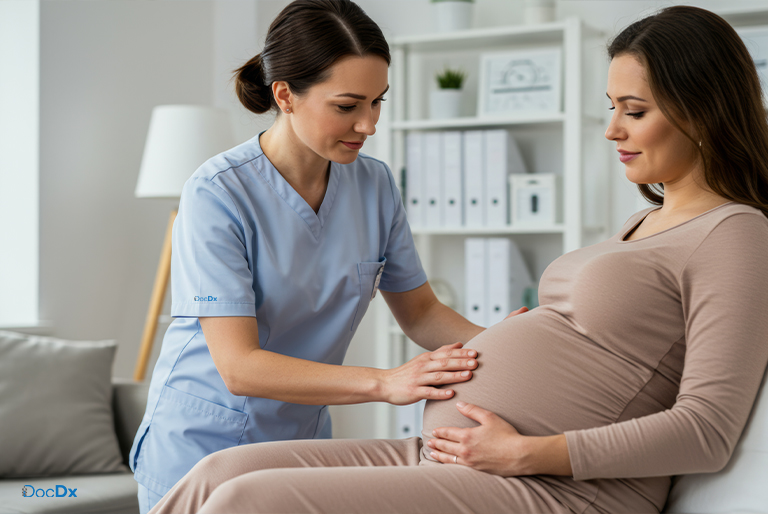
Pregnancy is more than just nine months of waiting. It’s a journey that reshapes your body, your mind, and even the way you see the world. Then comes postpartum life, a phase that feels both magical and overwhelming.
Some days feel calm and joyful. Others feel messy and confusing. That’s normal.
A healthy pregnancy and smooth recovery don’t happen by accident. They come from small, thoughtful choices made every day. Think of it like building a house. Each habit is a brick. Over time, those bricks create something strong and lasting.
Let’s walk through practical tips to help you feel confident before and after birth.
Understanding Your Body During Pregnancy
Your body works overtime during pregnancy. Hormones shift. Blood volume increases. Organs adjust.
You might notice:
- Back pain
- Swollen feet
- Shortness of breath
- Skin changes
- Fatigue
None of this means something is wrong. It means your body is adapting to support another life.
Emotional and Mental Shifts
Pregnancy can feel like riding an emotional roller coaster. One moment you’re excited. The next, you’re worried.
Mood swings happen because of hormones, sleep changes, and stress. Add life responsibilities, and emotions can pile up fast.
Why Mood Changes Are Normal
Feeling emotional doesn’t mean you’re weak. It means you’re human.
Your brain is adjusting to motherhood. That’s a big shift. Give yourself permission to feel without judgment.
Why Pregnancy and Postpartum Health Deserve Equal Attention
Many people focus heavily on pregnancy. Doctor visits, baby gear, nursery prep. But once the baby is here, the spotlight shifts.
That period after birth, often called the fourth trimester, is intense. Your body heals. Hormones shift. Sleep disappears. It’s not just recovery. It’s transformation.
The Overlooked Fourth Trimester
The first 12 weeks after birth can feel like survival mode. Your uterus shrinks back. Your body repairs tissues. If you had a C-section, you’re healing from major surgery. If you had a vaginal birth, your pelvic floor needs care.
Ignoring postpartum health can delay recovery and affect long-term well-being.
How Early Habits Shape Long-Term Recovery
The choices you make during pregnancy often impact postpartum healing. Strong nutrition, regular movement, and mental health support build a foundation you’ll rely on later.
Tip #1 – Prioritize Balanced Nutrition for You and Baby
Food becomes fuel in a very real way during pregnancy. You’re not “eating for two.” You’re nourishing for two.
Essential Nutrients During Pregnancy
A healthy pregnancy diet includes:
- Lean proteins
- Whole grains
- Healthy fats
- Fruits and vegetables
- Adequate fluids
But certain nutrients deserve special attention.
Folate, Iron, and Calcium Explained
- Folate (or folic acid) supports early brain and spinal development.
- Iron helps carry oxygen to your baby and prevents anemia.
- Calcium supports bone growth for both of you.
Most providers recommend prenatal vitamins to cover gaps, but real food still matters.
Postpartum Nutrition for Healing and Energy
After delivery, your body shifts from building a baby to healing itself. That requires protein, iron, and hydration.
If you’re breastfeeding, your calorie needs may increase slightly. But quality matters more than quantity.
Hydration and Breastfeeding Support
Breastfeeding can make you surprisingly thirsty. Keep water nearby. Add electrolytes if needed. Dehydration can increase fatigue and headaches, two things you don’t need more of.
Tip #2 – Stay Active with Safe, Doctor-Approved Movement
Movement during pregnancy isn’t about fitness goals. It’s about function.
Benefits of Exercise During Pregnancy
Safe exercise can:
- Reduce back pain
- Improve circulation
- Support better sleep
- Help manage weight gain
- Lower the risk of gestational diabetes
Walking, prenatal yoga, and light strength training are often safe options, but always check with your provider.
Gentle Postpartum Exercises to Rebuild Strength
After birth, slow is smart.
Start with:
- Short walks
- Deep breathing
- Gentle stretching
Avoid intense workouts too soon. Your body needs time.
Pelvic Floor and Core Recovery
Pregnancy stretches the pelvic floor and abdominal muscles. Weakness here can lead to leaks or back pain.
Pelvic floor exercises (like Kegels) and guided core rehab can make a big difference. In some cases, seeing a pelvic floor physical therapist helps speed recovery.
Tip #3 – Protect Your Mental and Emotional Well-Being
Hormones during pregnancy and postpartum can feel like a roller coaster. Add sleep deprivation and new responsibilities, and it’s a lot.
Recognizing Signs of Prenatal and Postpartum Depression
Feeling emotional is normal. But persistent sadness, anxiety, or detachment isn’t something to ignore.
Warning signs include:
- Loss of interest in things you enjoy
- Extreme mood swings
- Difficulty bonding with baby
- Thoughts of harming yourself
These are medical concerns, not personal failures.
Practical Ways to Reduce Stress Naturally
Try simple tools:
- Short daily walks
- Five-minute breathing exercises
- Talking openly with someone you trust
- Limiting social media comparison
You don’t need grand gestures. Small daily resets matter.
Building a Support System
No one thrives alone in early motherhood. Build your circle:
- Partner support
- Family help
- Friends who check in
- Professional guidance if needed
Ask for help before you’re desperate. It’s strength, not weakness.
Tip #4 – Keep Up with Prenatal and Postpartum Checkups
Routine appointments might feel repetitive. But they’re essential.
Why Regular Monitoring Matters
Prenatal visits track:
- Baby’s growth
- Blood pressure
- Blood sugar levels
- Signs of complications
Postpartum visits check:
- Healing progress
- Emotional well-being
- Blood pressure changes
- Contraception planning
Skipping appointments can mean missing early warning signs.
Vaccinations and Screenings to Consider
Your provider may recommend:
- Flu vaccine
- Tdap vaccine
- Glucose screening
These aren’t just boxes to check. They prevent complications.
Questions to Ask Your Healthcare Provider
Prepare questions in advance:
- What symptoms are normal?
- When can I resume exercise?
- How do I manage pain safely?
- What mental health signs should I watch for?
Being proactive builds confidence.
Tip #5 – Plan for Rest, Recovery, and Realistic Expectations
Here’s the truth: you cannot “bounce back” overnight.
And you shouldn’t try.
Sleep Strategies for New Moms
Sleep with a newborn is fragmented. But you can improve it:
- Nap when the baby naps
- Share nighttime duties if possible
- Limit late-night scrolling
- Keep the room dark and cool
Even short rest periods help.
Healing Timelines After Birth
Healing isn’t linear. Some days feel great. Others don’t.
- Vaginal birth recovery often takes several weeks.
- C-section recovery can take longer.
- Hormones may take months to stabilize.
Patience is part of the process.
Setting Boundaries and Asking for Help
Visitors can wait. Housework can wait. Your healing cannot.
Set clear expectations. Protect your time. Guard your energy.
Common Mistakes to Avoid During Pregnancy and Postpartum
Even well-meaning advice can lead you astray.
Ignoring Warning Signs
Severe headaches, heavy bleeding, chest pain, or persistent sadness are not things to “push through.” Seek medical care promptly.
Comparing Your Journey to Others
Every pregnancy is different. Every recovery is different.
Social media shows highlights, not healing.
How to Create a Personalized Pregnancy and Postpartum Care Plan
Start simple:
- Choose a trusted healthcare provider.
- Map out key appointments.
- Plan meals in advance.
- Arrange postpartum help before delivery.
- Identify mental health resources early.
Write it down. A plan reduces stress.
Final Thoughts on Building a Healthy Foundation for Motherhood
Pregnancy and postpartum care aren’t about perfection. They’re about preparation, awareness, and self-compassion.
Eat well. Move gently. Rest deeply. Speak up when something feels off.
Motherhood is a marathon, not a sprint. The care you give yourself now shapes how you show up later—not just for your baby, but for you.