
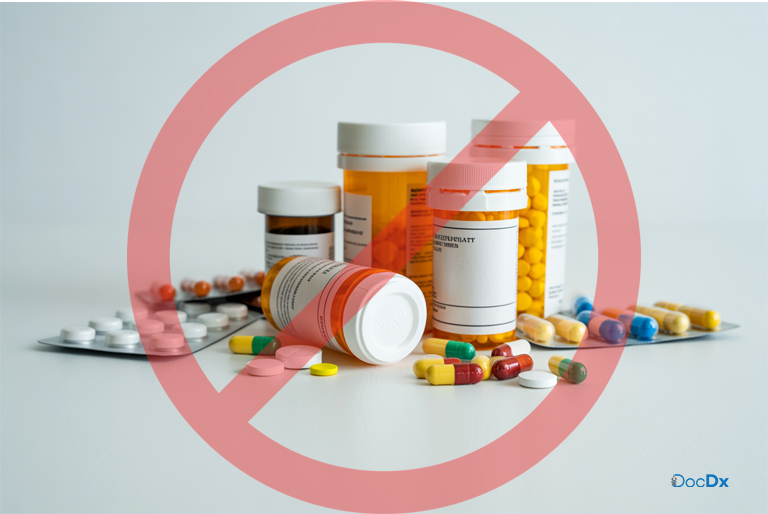
Stopping a medication sounds straightforward, until you try it. Many people assume they can simply stop taking a pill once they feel better or decide they no longer need it. In reality, that decision can come with uncomfortable, and sometimes dangerous, consequences.
Medication tapering exists for one simple reason: your body adapts. When you remove a medication too quickly, your system doesn’t always respond kindly. Let’s walk through how to safely stop a medication, what tapering really means, and why doing it the right way protects your health.
Why Stopping a Medication Isn’t as Simple as Quitting
Stopping means going from your regular dose to zero. Tapering means gradually reducing the dose over time, allowing your body to adjust step by step.
Think of it like dimming a light instead of flipping the switch off. The transition matters.
How the Body Adapts to Medications
Many medications change how your brain, hormones, or nervous system function. Over time, your body compensates for their presence. Removing them suddenly can throw those systems off balance.
What Is Medication Tapering?
Medication tapering is a planned, gradual reduction in dosage designed to minimize withdrawal symptoms and prevent health complications.
Why Gradual Reduction Matters
A slow taper gives your body time to recalibrate. This reduces shock to the system and lowers the risk of rebound symptoms or relapse.
Medications That Commonly Require Tapering
Antidepressants and Anxiety Medications
SSRIs, SNRIs, benzodiazepines, and similar medications often affect brain chemistry. Abrupt discontinuation can lead to dizziness, anxiety, insomnia, and mood changes.
Opioids and Pain Medications
Opioids require special care due to physical dependence. Structured tapering or treatment options help reduce withdrawal risks safely.
Steroids, Blood Pressure, and Seizure Medications
Steroids affect hormone production. Blood pressure and seizure medications can cause serious rebound effects if stopped suddenly. These should never be discontinued without guidance.
Risks of Stopping Medication Abruptly
Withdrawal Symptoms
Withdrawal symptoms can include:
- Nausea and headaches
- Anxiety or agitation
- Sleep disturbances
- Flu-like symptoms
These are not signs of weakness; they’re physiological responses.
Rebound Effects vs Relapse
Rebound symptoms happen when the original condition returns more intensely. Relapse means the condition itself has returned. Both can be mistaken for one another without proper monitoring.
Who Should Never Stop Medication Without Medical Guidance
Older Adults and Polypharmacy Risks
Seniors often take multiple medications, increasing the risk of interactions and complications. Structured tapering and safe medication management and deprescribing strategies for seniors significantly reduce harm.
Chronic and Complex Conditions
Conditions like epilepsy, heart disease, and autoimmune disorders require careful coordination. Stopping medication improperly can be life-threatening.
The Role of a Healthcare Provider in Safe Tapering
Individualized Tapering Plans – There is no universal tapering schedule. Providers adjust based on dose, duration, age, and response.
Monitoring and Adjustments – Symptoms may require slowing, pausing, or temporarily increasing the dose before continuing.
Tapering in Older Adults and Long-Term Medication Use
Why Seniors Require Extra Caution
Age-related changes in metabolism make medication effects less predictable. Slower tapers reduce confusion, falls, and hospitalizations.
Deprescribing as a Safety Strategy
Deprescribing focuses on reducing unnecessary medications while maintaining quality of life, not removing medications indiscriminately.
Special Considerations for Opioids and Dependence
Physical Dependence vs Addiction
Dependence is a physical adaptation. Addiction involves behavioral patterns. Understanding the difference removes stigma and guides safer care.
Medication-Assisted Treatment Options
Structured treatments, including Suboxone-based care, help manage withdrawal while stabilizing brain chemistry.
What Withdrawal Symptoms Can Feel Like
Physical Symptoms – Sweating, muscle aches, tremors, fatigue, and gastrointestinal discomfort are common.
Psychological and Emotional Symptoms – Mood swings, anxiety, irritability, and brain fog can occur, even in people without mental health conditions.
How Long Does Tapering Take?
Factors That Influence Taper Length
- Length of medication use
- Dosage
- Individual sensitivity
- Overall health
Why Slower Is Often Safer
Rushing tapering increases failure rates. Slower tapers improve comfort and success.
Practical Tips to Make Tapering Easier
Tracking Symptoms and Progress – Journaling symptoms helps providers adjust taper speed effectively.
Lifestyle Support During Tapering – Good sleep, hydration, nutrition, and light activity support nervous system recovery.
What to Do If Symptoms Become Unmanageable
When to Pause or Slow the Taper – Severe symptoms are a sign to slow down, not push through.
Red Flags That Require Urgent Care – Chest pain, seizures, confusion, or suicidal thoughts require immediate medical attention.
Medication Refills During a Taper
Tapering requires coordination. Knowing what steps to take when you need a prescription refill during treatment changes prevents gaps that can trigger withdrawal.
Common Myths About Stopping Medications
“Lower Dose Means No Risk”
Even low doses can cause withdrawal if stopped abruptly.
“Natural Alternatives Are Always Safe”
Natural does not mean harmless. Always discuss supplements with your provider.
Conclusion
Stopping a medication safely is about respect for your body, your history, and your health goals. Tapering isn’t failure or dependence. It’s smart, intentional care.
When done correctly, tapering protects your stability, comfort, and long-term well-being. Slow down. Get guidance. Your future self will thank you.