High blood pressure, often called the “silent killer”, can quietly damage your body for years before symptoms appear. Many people live with hypertension without realizing its impact until it leads to serious health issues. Understanding the dangers of uncontrolled hypertension and taking preventive steps through regular care can protect your heart, brain, and overall health.
What Is Hypertension?
Hypertension, or high blood pressure, occurs when the force of blood pushing against artery walls remains consistently too high. Over time, this pressure can weaken blood vessels, damage organs, and lead to life-threatening complications.
According to health experts, maintaining blood pressure below 120/80 mmHg is ideal. Readings consistently above this range may indicate hypertension that needs medical attention.
Why Hypertension Is Called the Silent Killer
Unlike many health conditions, hypertension rarely causes obvious symptoms. You may feel fine even when your blood pressure is dangerously high. This lack of symptoms is why it’s often referred to as the “silent killer.”
Regular checkups are the only way to detect it early. Learn more about the importance of annual physical exams when living with pre-existing conditions and how they help identify risks before they escalate.
The Hidden Dangers of Uncontrolled High Blood Pressure
1. Heart Disease
Prolonged hypertension forces your heart to work harder, thickening the heart muscle and increasing the risk of heart attack or heart failure.
2. Stroke
High blood pressure can lead to the bursting or blockage of arteries in the brain, which may result in a stroke, one of the leading causes of disability and death worldwide.
3. Kidney Damage
The kidneys rely on healthy blood vessels to filter waste. Over time, uncontrolled hypertension can cause chronic kidney disease, often progressing without symptoms until advanced stages.
4. Vision Loss
The small blood vessels in your eyes can become damaged due to high pressure, leading to retinopathy or even blindness.
5. Cognitive Decline
Research shows a link between hypertension and dementia. Reduced blood flow to the brain can affect memory, concentration, and decision-making abilities over time.
Early Signs You Shouldn’t Ignore
While hypertension is often symptomless, a few signs can hint at dangerously high blood pressure:
- Persistent headaches
- Blurred vision
- Dizziness or confusion
- Shortness of breath
- Chest pain
If you experience these, seek medical help immediately.
Why Regular Monitoring Matters
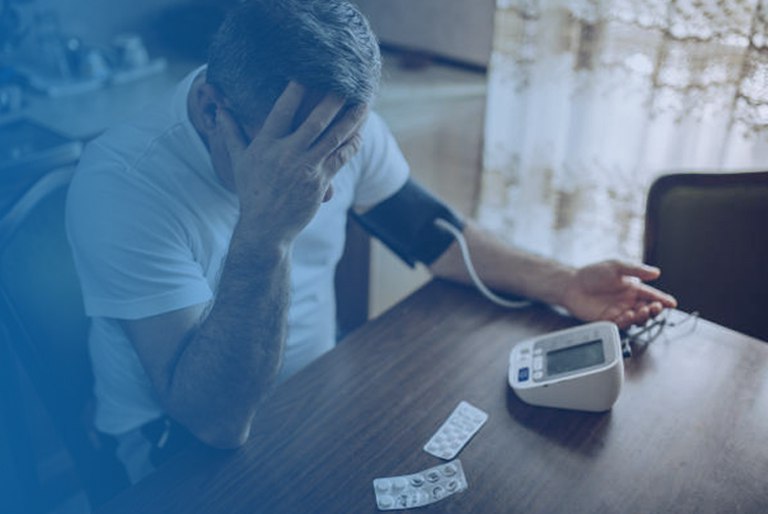
Blood pressure fluctuates throughout the day, but consistent readings above normal levels should prompt lifestyle changes or medical treatment. Monitoring at home and during checkups helps you and your doctor spot changes early and act before complications arise.
The Role of Primary Care in Managing Hypertension
Your primary care provider plays a crucial role in diagnosing, monitoring, and managing hypertension. Regular visits allow your doctor to track progress, adjust medications, and provide guidance on lifestyle modifications. If you’re not sure what to discuss, check out these 10 questions to ask your primary care provider at your next visit to make the most of your appointment.
Lifestyle Habits That Help Control Blood Pressure
1. Adopt a Heart-Healthy Diet
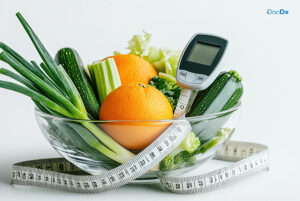
Focus on fruits, vegetables, lean proteins, and whole grains. Reducing sodium intake and avoiding processed foods can make a significant difference. For expert guidance, explore hypertension symptoms, treatment, and lifestyle tips to support better heart health.
2. Stay Physically Active
Aim for at least 30 minutes of moderate activity most days. Walking, swimming, or yoga can strengthen your heart and lower stress levels.
3. Manage Stress
Chronic stress can raise blood pressure. Mindfulness, meditation, or simply taking a few deep breaths daily can make a noticeable impact.
4. Quit Smoking
Nicotine raises blood pressure and damages arteries. Quitting can improve circulation almost immediately and reduce your heart risk.
5. Limit Alcohol and Caffeine
Both can temporarily raise blood pressure. Moderation is key aim for no more than one drink per day for women and two for men.
Understanding Medication Management
For many, lifestyle changes alone may not be enough. Primary care physicians often prescribe medications such as ACE inhibitors or beta-blockers to control blood pressure. Always take medications as directed and discuss any side effects with your doctor.
The Importance of Consistency
Managing hypertension isn’t about quick fixes; it’s a lifelong commitment. Skipping checkups or stopping medications can cause blood pressure to spike, undoing months of progress. Regular communication with your doctor ensures safe and steady improvement.
Complications of Ignoring Hypertension
Uncontrolled hypertension can lead to life-altering events such as heart attack, stroke, or kidney failure. The good news? These outcomes are largely preventable with early detection and consistent care.
How Primary Care Prevents Complications
Through regular blood pressure checks, medication management, and lifestyle counseling, primary care providers act as your long-term health partners. Building a strong relationship with your doctor helps ensure personalized care and early intervention when needed.
Practical Tips for Everyday Management
- Keep a blood pressure log
- Use a home monitor with validated accuracy
- Set medication reminders
- Avoid skipping doses
- Schedule follow-up appointments
When to Seek Emergency Help
If you experience chest pain, shortness of breath, vision changes, or sudden weakness, call emergency services. These may signal a hypertensive crisis or other life-threatening complications.
Conclusion
Hypertension doesn’t have to define your life. With awareness, regular care, and healthy habits, you can prevent serious complications and live a full, active life. The most important thing is to be consistent and take small steps every day to protect your heart and blood vessels.
Your health journey starts with one decision: Schedule your next check-up and take control of your blood pressure today!