Heart disease remains one of the leading health concerns worldwide. One of the biggest contributors to heart disease is high cholesterol. When cholesterol levels rise beyond healthy limits, fatty deposits can build up in blood vessels. Over time, this buildup may restrict blood flow and increase the risk of heart attacks or strokes.
That’s why understanding how statins help manage high cholesterol is important for millions of people. These medications are widely prescribed and have helped reduce cardiovascular disease risks for decades.
In this guide, we’ll explain how statins work to lower cholesterol, who can benefit from taking them, the potential side effects to watch for, and how healthy lifestyle habits can complement medication to improve heart health.
What Are Statins?
Statins are medications that help lower cholesterol levels in the bloodstream. They work primarily by reducing the amount of cholesterol produced by the liver. Because the liver produces most of the cholesterol in the body, controlling this process can significantly lower harmful cholesterol levels.
Doctors typically prescribe statins to reduce LDL cholesterol, often called “bad cholesterol.” High LDL levels contribute to plaque buildup in arteries, which can eventually block blood flow.
It belongs to a class of medications known as HMG-CoA reductase inhibitors. While the scientific term may sound complicated, the concept is simple: they slow down the liver’s ability to produce cholesterol.
Common Types of Statins
Several statins are available today. Each works in a similar way but may vary slightly in strength or dosage.
Examples include:
- Atorvastatin
- Simvastatin
- Rosuvastatin
Doctors choose the appropriate statin based on a patient’s cholesterol levels, overall health, and risk of cardiovascular disease.
Atorvastatin
This is often prescribed for individuals with significantly elevated LDL cholesterol levels. It is known for its effectiveness and long-lasting action.
Simvastatin
Simvastatin has been widely used for decades and is often prescribed for moderate cholesterol reduction.
Rosuvastatin
Rosuvastatin is considered potent and is commonly prescribed for patients who need significant LDL reduction.
Who Usually Takes Statins
Typically recommended for individuals who have:
- High LDL cholesterol levels
- A history of heart disease
- Risk factors such as diabetes, obesity, or high blood pressure
- A family history of cardiovascular disease
According to the American Heart Association, statins play a key role in preventing cardiovascular events among high-risk individuals.
How Statins Work Inside the Body
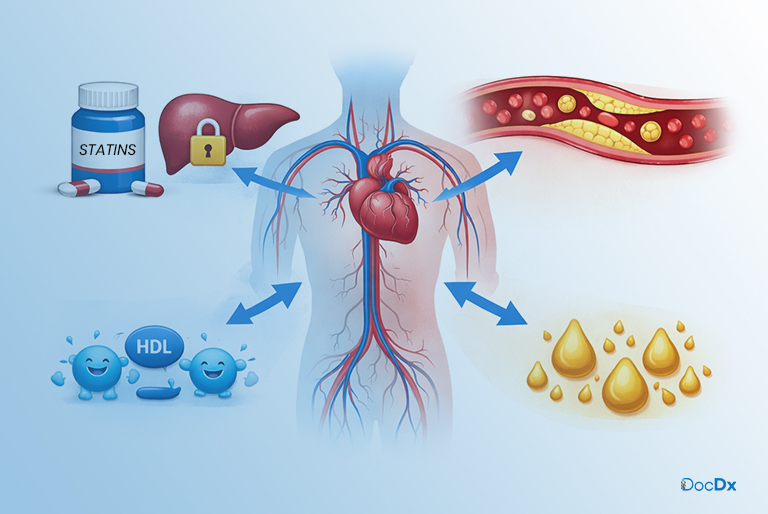
Statins are a type of medication that helps lower cholesterol levels and reduce the risk of heart disease. They inhibit an enzyme known as HMG-CoA reductase, which slows down the production of cholesterol.
By blocking this enzyme, it lowers LDL (“detrimental”) cholesterol and may also modestly increase HDL (“beneficial”) cholesterol. Lower LDL levels reduce the buildup of plaque in the arteries, helping to prevent the narrowing of blood vessels and lowering the risk of heart attacks and strokes.
In addition to controlling cholesterol, statins may also:
- Stabilize plaque deposits in arteries, making them less likely to rupture
- Reduce inflammation in blood vessels, supporting overall cardiovascular health
- Improve endothelial function, which helps arteries relax and maintain healthy blood flow
It is important to remember that statins work best when combined with a healthy lifestyle, including a balanced diet, regular exercise, and smoking cessation when applicable.
Reducing Cholesterol Production in the Liver
The liver naturally produces cholesterol for essential functions such as hormone production and cell structure. However, excessive production can raise cholesterol levels.
Lowering LDL (“Bad Cholesterol”)
Once statins reduce cholesterol production, the liver begins removing LDL cholesterol from the bloodstream more efficiently.
Lower LDL levels mean fewer fatty deposits accumulate in blood vessels. This helps maintain healthy circulation and reduces long-term cardiovascular risks.
Stabilizing Plaque in Arteries
Another important benefit of statins is their ability to stabilize plaque in arteries. Plaque buildup can rupture and form blood clots that block arteries.
Statins reduce inflammation within plaques, making them less likely to rupture.
Preventing Heart Attacks and Strokes
By lowering LDL levels and stabilizing arterial plaque, statins significantly reduce the risk of heart attacks and strokes.
Research summarized by the Centers for Disease Control and Prevention shows that statin therapy can lower the risk of major cardiovascular events in high-risk patients.
Who Can Benefit From Statins
Doctors prescribe statins based on individual risk factors rather than cholesterol numbers alone.
Adults With High Cholesterol
Individuals with elevated LDL cholesterol often benefit from statin therapy when lifestyle changes alone are not enough.
Individuals With Cardiovascular Disease
Patients who have already experienced heart attacks or strokes often take statins to prevent additional cardiovascular events.
Patients With Diabetes or Metabolic Syndrome
People with diabetes have a higher risk of heart disease. Even when cholesterol levels are moderate, statins may be recommended.
Why Doctors Carefully Evaluate Each Patient
Statins are not automatically prescribed to everyone with high cholesterol. Healthcare providers evaluate factors such as:
- Age
- Blood pressure
- Smoking history
- Family history of heart disease
This personalized approach ensures statin therapy is both safe and effective.
Common Side Effects of Statins
Most people tolerate statins well. However, like all medications, they may cause side effects.
Muscle Pain or Weakness
Some patients report mild muscle aches when starting statins. These symptoms usually improve as the body adjusts.
Digestive Symptoms
Occasionally, individuals experience:
- Nausea
- Constipation
- Stomach discomfort
These symptoms are typically mild and temporary.
Fatigue and Headaches
A small number of patients report fatigue or headaches during the early stages of treatment.
Rare but Serious Side Effects
Serious complications are uncommon but may include:
- Liver inflammation
- Severe muscle damage
Anyone experiencing unusual symptoms should consult a healthcare provider immediately.
Lifestyle Habits That Complement Statins
Medication alone cannot fully manage cholesterol levels. Healthy habits are essential for long-term cardiovascular health.
Heart-Healthy Diet
A balanced diet rich in fruits, vegetables, whole grains, and healthy fats can significantly improve cholesterol levels.
Foods that support heart health include:
- Oats and whole grains
- Leafy green vegetables
- Fatty fish such as salmon
- Nuts and seeds
Regular Exercise
Physical activity helps increase HDL (“good cholesterol”) while lowering LDL levels.
Most experts recommend:
- 150 minutes of moderate exercise per week
- Activities such as walking, cycling, or swimming
Weight Management
Maintaining a healthy weight improves cholesterol levels and reduces strain on the heart.
Quitting Smoking
Smoking damages blood vessels and accelerates plaque buildup. Quitting smoking significantly reduces cardiovascular risk.
Monitoring and Regular Check-Ups
Regular medical monitoring ensures statins remain safe and effective.
Routine Blood Tests
Doctors typically perform blood tests to monitor:
- Cholesterol levels
- Liver function
These tests help ensure medication is working as expected.
Medication Adherence
Taking statins exactly as prescribed is essential. Skipping doses can reduce their effectiveness.
Discussing Side Effects With Your Doctor
Patients should always communicate openly with their healthcare providers. Adjustments in dosage or medication type can often resolve side effects.
When to Consult Your Healthcare Provider
Medical guidance is essential when managing cholesterol.
If Cholesterol Levels Remain High
Doctors may adjust medication doses or recommend additional treatments.
If Side Effects Occur
Persistent symptoms should always be discussed with a healthcare provider.
Considering Alternative Treatments
Some patients may benefit from other cholesterol-lowering medications if statins are not suitable.
Conclusion
Statins play a vital role in managing high cholesterol. They don’t just lower numbers on a lab report; they help protect your heart and reduce long-term health risks.
When paired with healthy habits, they offer a reliable path to better cardiovascular health. If you’ve been advised to take them, it’s worth understanding how they work and why they matter.