
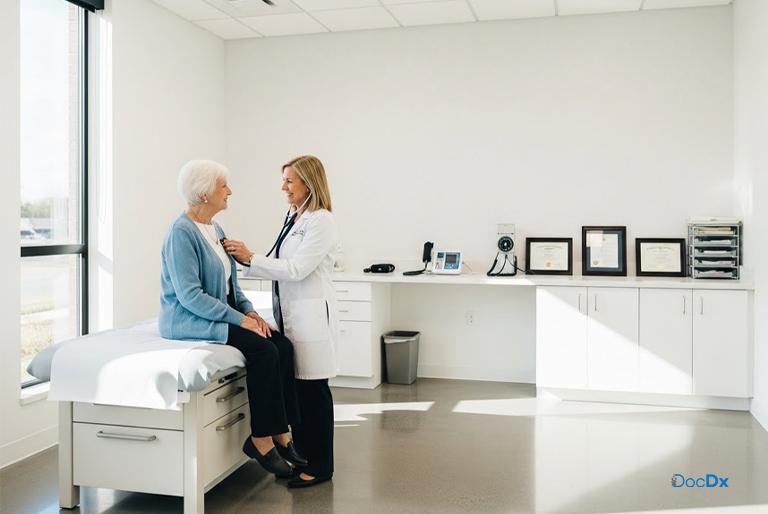
Aging is a beautiful stage of life, but it also comes with changes. Some changes are expected, some surprising, and some that deserve attention. Among the most important areas of senior health is cognitive well-being, yet it’s often overlooked until symptoms become impossible to ignore. Cognitive health screenings give seniors and families answers, reassurance, and the ability to act early if support is needed.
Understanding Cognitive Health in Aging
Cognitive health refers to how well the brain performs essential functions: thinking, memory, learning, problem-solving, decision-making, and emotional regulation. As we age, it’s natural to notice slower thinking, occasional forgetfulness, or difficulties multitasking. But there’s a difference between normal aging and concerning decline.
Normal aging may involve:
- Forgetting names occasionally
- Needing reminders
- Taking longer to process information
Concerning decline may include:
- Forgetting important events repeatedly
- Difficulty following conversations
- Struggling with familiar tasks
Recognizing this difference is the first step, and that’s exactly where cognitive screening supports seniors.
Why Cognitive Screening Matters
Think of cognitive screening as routine maintenance for the brain. Just as we check blood pressure or cholesterol, screening gives insight into cognitive function. Early detection means families can plan better, healthcare providers can intervene sooner, and seniors can maintain independence longer.
Screening helps:
- Identify early dementia and Alzheimer’s risks
- Detect mild cognitive impairment before it worsens
- Guide healthcare decisions
- Support safe living and independence
- Reduce avoidable emergencies and crises
In short, cognitive screening empowers seniors rather than labeling them.
The Importance of Early Detection
Early detection is one of the most powerful benefits of cognitive screening. Identifying subtle changes in memory, thinking, or behavior before they progress allows seniors and their families to take proactive steps.
When cognitive concerns are detected early, healthcare providers can recommend lifestyle adjustments, monitor progression, and introduce supportive care strategies that help maintain independence longer. Early detection also gives families time to plan, reducing uncertainty and stress in the future.
Cognitive screening is not about labeling; it’s about gaining clarity and acting with confidence.
Signs That Indicate Screening May Be Needed
Not every change in memory is alarming, but when the brain begins struggling more than usual, it’s worth paying attention. Signs may include:
Behavioral Signals
- Repeating questions frequently
- Getting lost in familiar places
- Trouble managing finances or medications
Memory Changes
- Forgetting conversations
- Misplacing items frequently
- Forgetting common words
Emotional & Personality Changes
- Increased irritability
- Withdrawal from family or hobbies
- Sudden mood swings
If any of these persist, screening can help clarify what’s happening.
Common Cognitive Screening Tools
Healthcare providers use evidence-based screening tools that are safe, simple, and noninvasive. These screenings are designed to evaluate memory, attention, language, and problem-solving skills.
Some commonly used tools include:
- Mini-Mental State Examination (MMSE): Assesses memory, orientation, and basic cognitive function
- Montreal Cognitive Assessment (MoCA): Detects mild cognitive impairment and early changes in thinking skills
- Mini-Cog Test: A quick screening that combines word recall and a clock-drawing task
When Should Seniors Get Screened?
Screening is typically recommended when:
- A senior or family notices changes
- A doctor suggests it
- A senior is 65+ and wants proactive care
- There is a family history of cognitive disorders
Many experts recommend periodic screening as part of routine senior care.
Who Should Get Cognitive Screening?
While cognitive screening can benefit many individuals, it is especially important for:
- Adults aged 65 and older
- Seniors experiencing memory or behavioral changes
- Individuals with a family history of dementia or cognitive disorders
- Those managing chronic conditions such as diabetes, hypertension, or heart disease
- Seniors taking multiple medications that may affect mental clarity
These assessments typically take only a few minutes to complete and provide valuable insights into your mental health. It’s essential to understand that screening results do not diagnose any issues; they merely indicate whether you should consult a doctor for further evaluation.
Role of Primary Care in Cognitive Screening
Primary care providers play a vital role in early cognitive detection. Because they have an ongoing relationship with patients, they are often the first to notice subtle changes in memory, behavior, or functioning.
During routine visits, primary care providers can:
- Perform initial cognitive screenings
- Review medications that may affect memory
- Identify underlying health conditions linked to cognitive decline
- Coordinate referrals for specialized care when needed
Having a dedicated primary care provider for long-term health ensures that seniors receive consistent, coordinated, and proactive care, which makes cognitive screening more meaningful and effective. Additionally, seniors benefit from comprehensive primary care services that promote overall wellness beyond emergency visits.
Preventive Healthcare and Cognitive Well-Being
Healthcare should never be about reacting when problems explode; prevention saves lives, money, and emotional distress. Seniors who embrace preventive care tend to stay healthier and out of the hospital more often.
Understanding how seniors can prevent hospital visits is key, and cognitive screening plays a major role. When cognitive decline goes unnoticed, risks rise: falls, medication errors, dehydration, missed appointments, financial vulnerability, and emotional distress. Screening supports safer living.
Physical Health and Its Connection to Brain Health
Cognitive health and physical health are closely intertwined. Regular checkups and tailored exams ensure the brain gets the support it needs.
Customized senior evaluations, similar to personalized physical exam guidelines for older adults, help physicians detect hidden risks such as heart disease, diabetes, infections, and nutritional deficiencies that may affect cognitive function and memory. When the body is healthy, the brain thrives as well.
Medication Management and Cognitive Clarity
Many seniors take multiple medications, and some can unintentionally cloud thinking, cause confusion, or worsen memory. Medication reviews and safe deprescribing strategies protect cognitive clarity.
Learning about medication management and deprescribing helps reduce side effects, improve alertness, and protect brain health. Safer medication routines equal clearer minds.
Lifestyle Factors That Support Cognitive Health
Screening is valuable, but supporting the brain daily makes the biggest impact.
Healthy brain habits include:
- Regular physical activity
- Nutritious meals
- Quality sleep
- Hydration
- Social engagement
- Mental stimulation
Small, consistent lifestyle habits nurture long-term brain resilience.
Emotional and Mental Wellness
Mental health deeply influences brain performance. Depression, anxiety, loneliness, and grief can mimic or worsen cognitive decline. Supporting emotional health through counseling, companionship, hobbies, or community programs strengthens the mind just as much as medical care.
Supporting Families and Caregivers
Cognitive health concerns can feel overwhelming, but knowledge provides relief. Families benefit when doctors communicate clearly, provide guidance, and involve loved ones in care planning. Encouraging screening removes stigma and replaces fear with clarity and action.
Myths About Cognitive Screening
Let’s clear up some common misconceptions:
- Myth: Screening is only for people with dementia.
Reality: Screening helps prevent and detect early decline. - Myth: Screening is embarrassing.
Reality: It is simple, respectful, and supportive. - Myth: Nothing can be done anyway.
Reality: Early care slows decline, improves safety, and enhances life.
The Future of Cognitive Health Screening
Healthcare is evolving fast. Technology, telehealth, smart assessments, personalized medicine, and preventive healthcare are making screening more accessible than ever. Seniors deserve a future where brain health is prioritized, protected, and respected.
Conclusion
Cognitive health screening isn’t about fear; it’s about empowerment. It gives seniors a clearer picture of their brain health, allows families to plan wisely, and enables healthcare providers to offer timely support. Aging doesn’t mean losing independence or identity. With proactive screening, compassionate care, and smart healthcare choices, seniors can continue living meaningful, confident, and fulfilling lives.